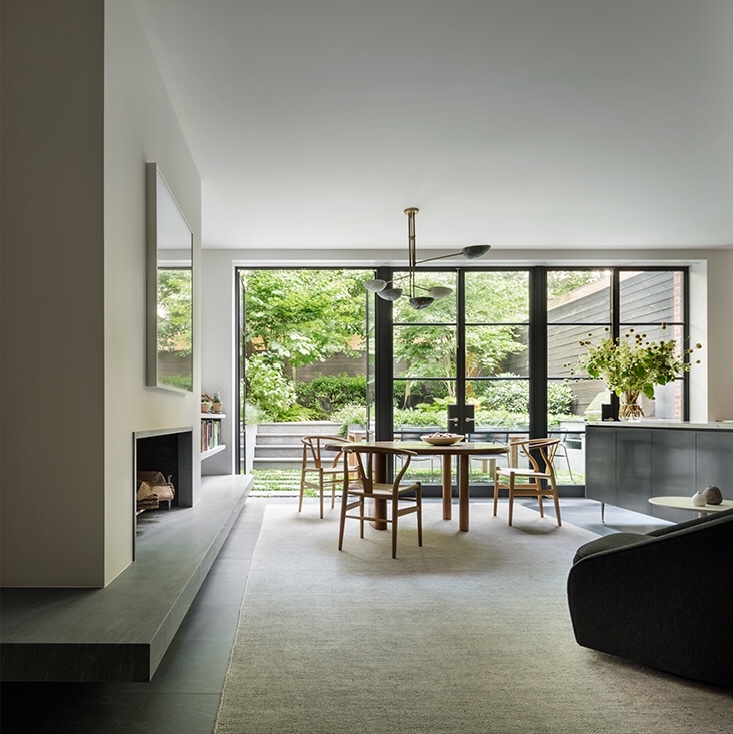
Location: Brooklyn, New York
If you are planning a brownstone renovation and keep asking, "Do I actually need a permit for this?", the useful first answer is not yes or no. It is: which parts of the scope are still ordinary repair, and which parts have already become construction in DOB's eyes?
That distinction matters early because permit scope changes who needs to be involved, how drawings are prepared, whether the project goes through DOB NOW, and whether LPC also joins the sequence for landmarked properties.
This guide is a planning overview for April 2026. It is meant to help owners sort genuinely lighter work from permit-triggering work before budgeting, bidding, or design expectations harden around the wrong assumption.
The basic rule
New York City's Department of Buildings says most construction in New York City requires approval and permits. Some minor alterations can be done without a work permit, and DOB gives examples such as painting, plastering, installing new cabinets, plumbing fixture replacement, resurfacing floors, and non-structural roof repair. That is the official starting point, not a contractor shortcut. See DOB's Does my project require a permit?.
In owner terms, the lighter no-permit category is usually maintenance or replacement work that does not materially change structure, layout, life-safety conditions, or filed building systems.
The moment your project starts moving walls, changing structure, rerouting gas, adding new bathrooms, changing stair geometry, enlarging openings, or combining multiple trades under one coordinated renovation, you should assume DOB filing is likely until your architect or engineer confirms otherwise.
What owners usually get wrong
Most permit confusion comes from describing the project too loosely.
Owners say:
- "We are just redoing the kitchen."
- "We are only refreshing the garden level."
- "We are not changing the use of the house."
But DOB does not review the project by vibe. It reviews the actual work.
For example, DOB's kitchen and bathroom guidance says most kitchen and bathroom renovations require an ALT2 permit application when the work includes items such as adding a new bathroom, rerouting gas pipes and adding electrical outlets, or moving a load-bearing wall. That is why two jobs that both sound like "a kitchen renovation" can sit on completely different permit paths. See Renovating Kitchens & Bathrooms.
Work that is often permit-exempt
These are the kinds of items DOB publicly lists as examples that may not require a work permit:
- painting
- plastering
- installing new cabinets
- plumbing fixture replacement
- resurfacing floors
- non-structural roof repair
That does not mean every room-level refresh is permit-free. It means specific minor alterations may be permit-exempt when they stay within that narrower category.
Two practical cautions matter here:
1. Permit-exempt is not the same as contractor-free. DOB notes that some of this work still requires properly licensed trades, and home-improvement contractors must be licensed through DCWP where applicable.
2. Once permit-triggering work is bundled into the same renovation, the project stops behaving like a simple cosmetic refresh.
If your contractor is describing structural, plumbing, electrical, or gas changes as "basically cosmetic," that is usually the point to slow down and verify scope.
Where brownstone projects usually cross the line
On townhouses, permit scope often appears earlier than owners expect because brownstones are vertically stacked systems, not isolated rooms.
The threshold tends to change once the project includes:
- moving or removing load-bearing walls
- adding a bathroom
- rerouting gas piping
- adding electrical outlets as part of a larger kitchen or bath rework
- relocating stairs or cutting new floor openings
- replacing or reconfiguring major mechanical, electrical, or plumbing systems
- new rear openings, decks, guardrails, or structural exterior work
- excavation, cellar lowering, underpinning, or foundation work
Some of these are directly named in DOB guidance. Others are planning inferences from how DOB defines alteration work and from the kinds of building systems and structural changes that require filed drawings. For brownstone owners, the safe practical rule is simple: if the work reshapes how the house is built rather than just how it is finished, assume filing is part of the job.
The permit path owners should understand
DOB's permit overview divides primary construction applications into New Building, Alt-CO, and Alteration filings. For most brownstone renovation planning, the useful distinction is that alteration filings cover work that does not change the building's use, egress, or occupancy, while larger changes can move into a more consequential filing path. DOB also states that the majority of construction requires a permit and that a New York State Registered Design Professional, meaning a licensed PE or RA, must file the plans. See Obtaining a Permit.
For owner planning, that usually means:
- purely cosmetic work may stay outside DOB filing
- many substantial interior renovations land in alteration territory
- changing use, egress, or occupancy is a bigger threshold than most townhouse owners are actually touching
DOB's kitchen and bath page is especially useful because it makes one point very clearly: ALT2 is not an edge case. It is the normal filing path for many ordinary-sounding townhouse renovations once multiple systems or structural changes are involved.
Why the permit question is really a scope question
Owners often ask about permits as if permits are late paperwork. On brownstones, permit status usually tells you something more important: how invasive the work really is.
If the project needs filed drawings and a permit, that usually means:
- a design professional needs to define the scope properly
- contractor pricing should be based on documents, not assumptions
- schedule must account for filing, review, and inspection sequence
- the renovation is less reversible than it first sounded
That is why permit confusion often leads directly to budget confusion. People think they are pricing a selective refresh when they are actually pricing an alteration project.
If you are already thinking through budget bands, this guide pairs naturally with the Townhouse Renovation Cost Guide: What a Real Budget Needs to Cover.
Illegal work is not a harmless shortcut
DOB's kitchen and bathroom guidance is blunt here: doing construction without required approval or permits is illegal and unsafe. The agency notes that illegal work can trigger violations, fines, legalization costs, and in severe cases Class 1 violations carrying a `$25,000` fine, plus additional penalties and interest.
For owners, the real risk is usually broader than the fine itself:
- work may need to be opened up, legalized, or removed
- future sales can get messier
- insurance and liability exposure can change
- later phases of the project become harder to file cleanly
So the practical question is not "Can we get away with it?" It is whether skipping the permit conversation now simply guarantees a more expensive one later.
Landmarked properties add a second filter
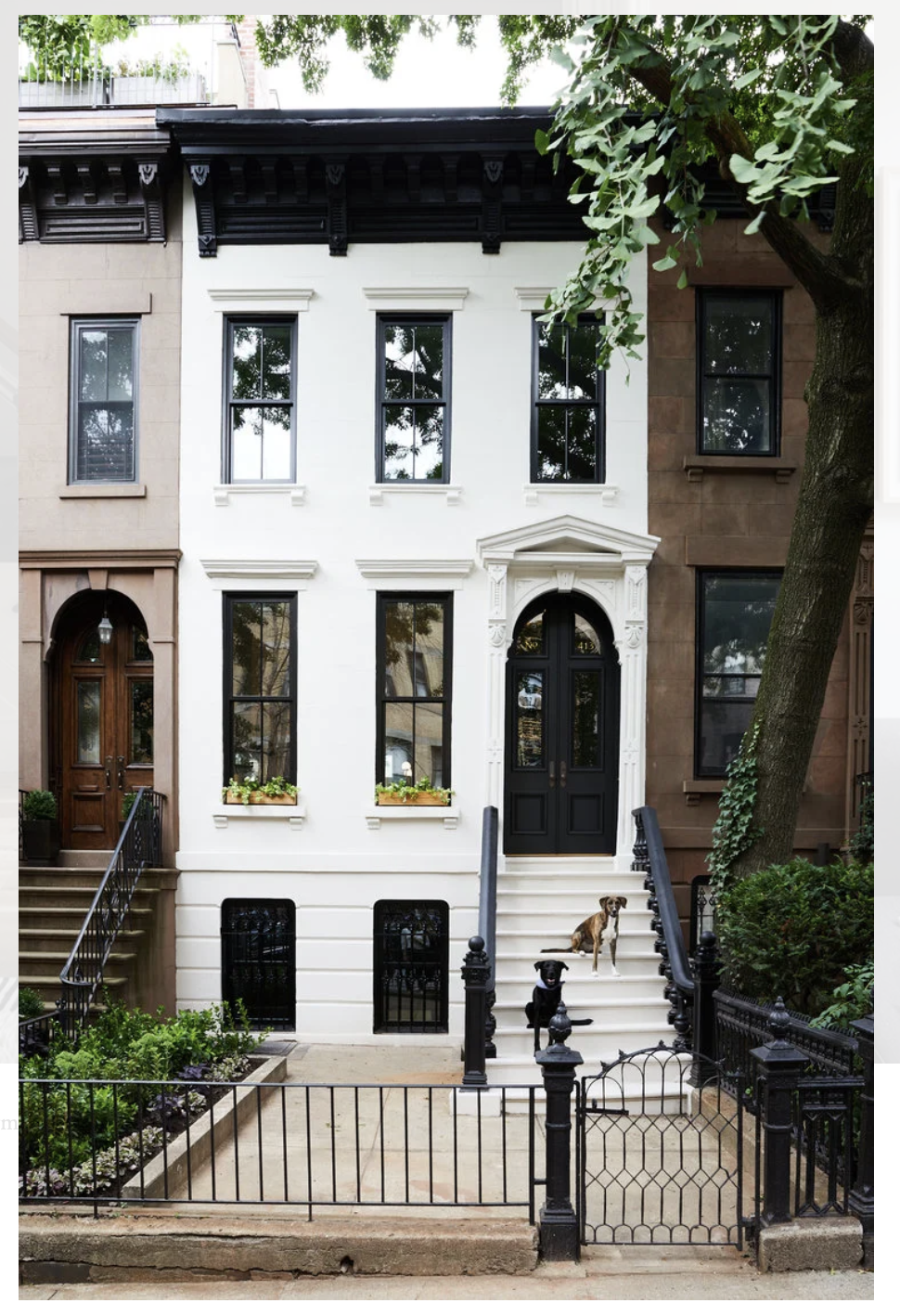
If the brownstone is in a historic district or is an individual landmark, the DOB question may not be the only one.
LPC's current guidance says most exterior changes to front and rear facades in historic districts require review, and LPC also states that an interior permit is required when the work needs a DOB permit, affects the exterior, or involves a designated interior landmark. That matters because many projects owners think of as "interior" are tied to rear openings, rooftop work, mechanical penetrations, or other envelope changes. See LPC's Permits and Making Alterations.
LPC's Certificate of No Effect page is the clearest owner-facing explanation of that overlap. It specifically lists interior renovations that require DOB permits among the kinds of work that may go through the CNE path. Applications that are complete and rule-conforming can often be approved within 10 business days, but LPC's legal decision window is 30 business days after completeness.
If landmark status is part of the picture, read this alongside the Townhouse Landmark Approval Guide: What Needs LPC Review?.
A better early test than "permit or no permit?"
Before you ask anyone for a precise answer, run the project through this filter:
1. Are we only refinishing or replacing in kind?
2. Are we moving structure, stairs, plumbing, gas, or electrical in a meaningful way?
3. Are we adding bathrooms, changing openings, or altering the exterior envelope?
4. Is the building landmarked, or in a historic district?
If the answer turns to yes at steps two, three, or four, the project is probably no longer in the casual no-permit category.
That is a planning framework, not a substitute for project-specific advice, but it is a much better starting point than asking after design is already advanced.
What to clarify before you bid or hire
Before a contractor gives you numbers that feel serious, pin down:
- whether the scope is truly cosmetic or already permit-driven
- whether the work needs a PE or RA to file
- whether kitchen or bath scope includes gas, electrical, or structural changes
- whether rear facade, roof, deck, or stair work pulls the exterior into the project
- whether landmark review is likely to sit in front of or alongside DOB
If those answers are still fuzzy, the price and timeline are almost certainly fuzzier than they look.
The practical next step
Do not ask, "Can I renovate this without a permit?" Ask, "Which parts of the scope are actually simple maintenance, and which parts have already become filed alteration work?"
That framing will give you a more honest project definition, a better consultant team, and a more realistic budget before the renovation becomes expensive to unwind.
If you want help pressure-testing that scope before the project gets locked into the wrong permit assumptions, start with the Work With Me page.