
Location: Brooklyn, New York
If you are renovating a Brooklyn brownstone in a historic district, the first approval question is usually not "Do I need a permit?" It is "Who needs to review this first?"
For landmarked properties in New York City, the Landmarks Preservation Commission (LPC) often sits in front of the Department of Buildings (DOB), or at least alongside it. Owners lose time when they assume LPC only matters for major facade work. In practice, review can come into play much earlier, especially once exterior changes, DOB filings, or visible additions enter the picture.
This guide is a planning overview for March 2026. It is meant to help owners understand what usually triggers LPC review, what kind of permit path a project may fall into, and where schedule risk starts to build.
Step one: confirm whether the building is actually landmarked
Do not assume based on neighborhood reputation alone.
Brooklyn houses in Cobble Hill, Brooklyn Heights, Park Slope, Fort Greene, Clinton Hill, Boerum Hill, Prospect Heights, and other brownstone neighborhoods are often inside historic districts, but not every address is regulated the same way.
Use LPC's official Discover NYC Landmarks map to confirm whether the property is:
- an individual landmark
- inside a historic district
- subject to an interior landmark designation
That is the correct first screen before you start design decisions.
The basic rule: most exterior changes should be assumed to need LPC review
LPC states that owners of buildings within historic districts and individual landmarks must obtain permits for most alterations. There are limited exceptions for ordinary exterior repair and maintenance, and interior work generally does not need LPC review unless it requires a DOB permit, affects the exterior, or involves a designated interior landmark.
In owner terms, that usually means:
- repainting or routine maintenance is not the same thing as redesigning
- replacing in kind is easier than changing configuration, proportions, or visible materials
- interior work can still trigger LPC once DOB filing or exterior impact is involved
If the work changes what the public sees, changes protected features, or needs DOB approval, assume review until your architect or preservationist proves otherwise.
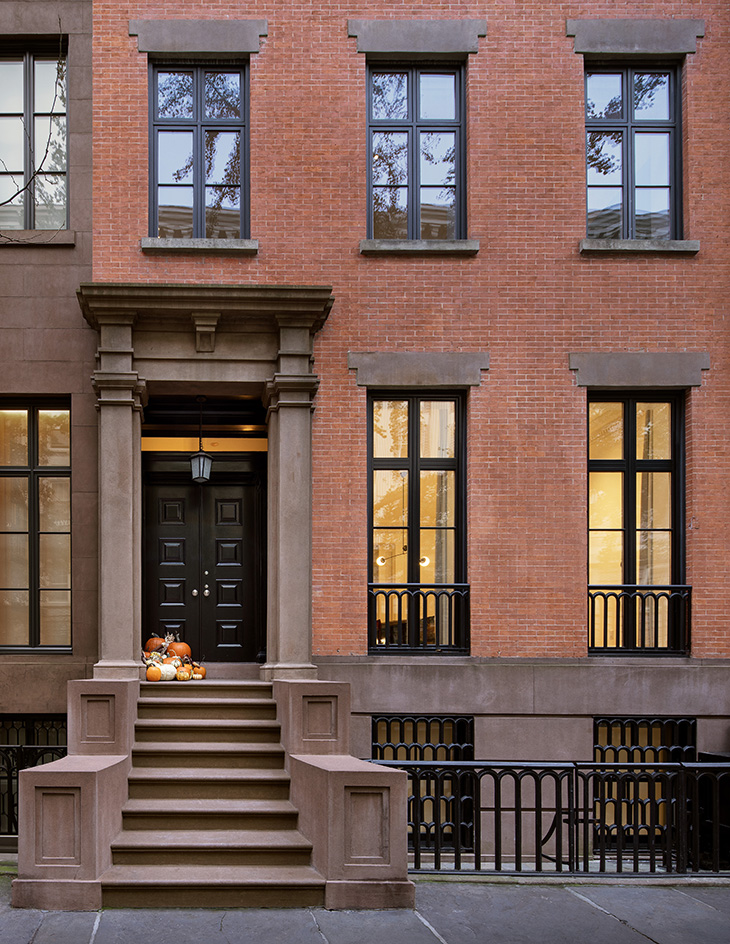
Work that commonly triggers review on brownstone projects
The exact filing path depends on scope, but these categories routinely pull LPC into the project:
- window or door replacement
- stoop, railing, cornice, lintel, or masonry changes
- brownstone resurfacing and facade repair beyond simple maintenance
- rooftop additions or visible rooftop mechanical equipment
- rear extensions
- new skylights, vents, flues, condensers, or wall penetrations
- excavation or major structural work that requires DOB permits
- interior renovations that require DOB filing
This is where many owners get tripped up. They think "the interior is not landmarked," which may be true, but the job still requires LPC review because it is tied to DOB or affects the building envelope.
The three approval paths owners should understand
LPC's current application system runs through Portico, its permit portal. In practice, most townhouse owners will encounter one of three permit paths.
1. Permit for Minor Work (PMW)
This is the staff-level path for exterior work that does not require a DOB permit and is considered restorative or otherwise appropriate.
LPC gives examples such as:
- window or door replacement in existing openings
- masonry cleaning and brownstone resurfacing
- through-window HVAC installation
The practical meaning is that many standard facade maintenance items can stay on a staff-level track if the proposal is straightforward and fits LPC rules.
According to LPC, complete PMW applications can often be approved within about 10 business days, and the agency is legally required to decide within 20 business days once the application is complete.
2. Certificate of No Effect (CNE)
A CNE is the staff-level permit path for work that does require a DOB permit but is determined not to adversely affect the significant protected features of the building or district.
LPC lists examples such as:
- interior renovations that require DOB permits
- plumbing and heating equipment installation
- rooftop mechanical equipment
- ramps
For brownstone owners, this is the category that often matters most in early planning. You may not be proposing a dramatic exterior redesign, but once the project requires DOB review, LPC may still need to sign off through a CNE path.
LPC says complete CNE applications are often approved within about 10 business days, with a legal decision deadline of 30 business days after completeness.
3. Certificate of Appropriateness (C of A)
This is the higher-friction path. A C of A is used when proposed work affects significant protected architectural features or does not conform to LPC rules.
Typical examples include:
- additions
- demolitions
- new construction
- removal of stoops, cornices, or other significant features
This path usually means public hearing review, community board presentation, and a materially longer schedule. LPC's current guidance says the full process can take about three months, and once an application is complete the Commission is required to issue a ruling within 90 working days.
If your scheme depends on a visible rooftop addition, major facade redesign, or an aggressive rear extension, this is the approval path to budget around unless your team proves a staff-level route is realistic.
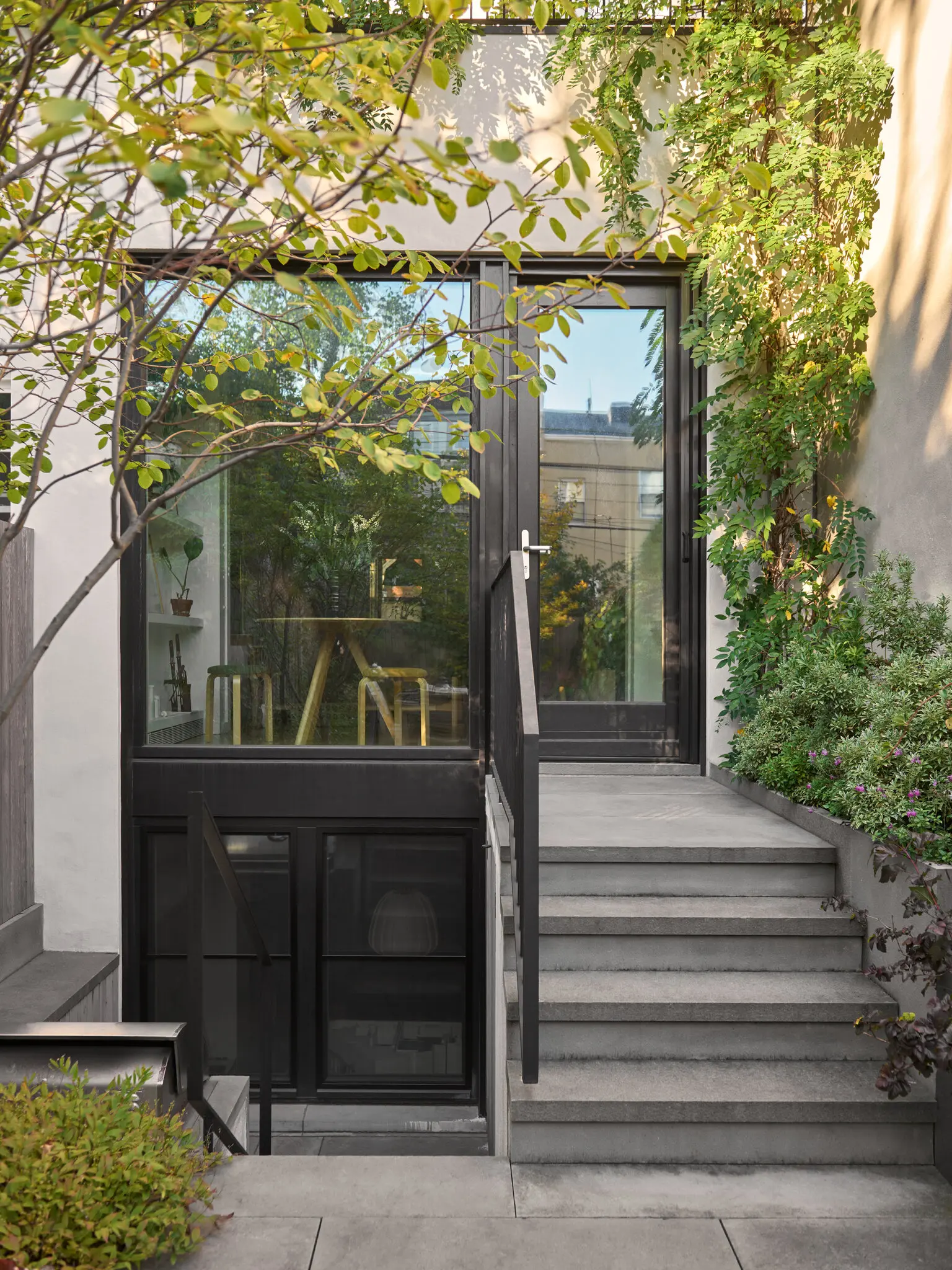
A useful planning shortcut: think in "visibility + protected features + DOB"
Owners often want a yes/no answer too early. A better first filter is:
1. Is the building landmarked or inside a historic district?
2. Is the work visible from the public way or affecting protected features?
3. Does the work require a DOB filing anyway?
If the answer is yes to any of those last two questions, LPC is probably part of the schedule.
That does not mean the project is in trouble. It means you should plan the approval path before pricing and construction expectations harden.
Where renovation schedules usually slip
The schedule problem is rarely just "LPC is slow." More often it is one of these:
1. The owner starts design before confirming whether the concept fits staff-level rules.
2. The architect develops a visible addition or facade change without aligning expectations on hearing risk.
3. The owner treats DOB and LPC as separate late-stage paperwork instead of linked approvals.
4. The application is incomplete, which resets the practical timeline even if the legal review clock sounds short.
This is why "What needs LPC review?" is really a scope-planning question, not just a permit question.
What owners should do before design goes too far
Before you spend heavily on developed drawings, clarify:
- whether the address is landmarked and how it is designated
- whether the key scope items are exterior, visible, or DOB-filed
- which parts of the project are likely staff-level versus hearing-level
- what can be designed in a more rules-conforming way if schedule matters
LPC's Rowhouse Manual is also worth reviewing for townhouse-specific exterior guidance. It is not a substitute for project advice, but it helps owners understand where the agency's standards are coming from.
A practical way to think about risk
On brownstone projects, these are usually lower-risk from an approvals standpoint:
- restorative facade work
- replacement in existing openings
- straightforward interior work with limited exterior impact
These are usually higher-risk:
- changing facade composition
- removing historic elements
- visible rooftop work
- rear additions with design, massing, or visibility consequences
That is a planning inference, not a legal rule, but it is the right way to frame expectations before budgeting the job.
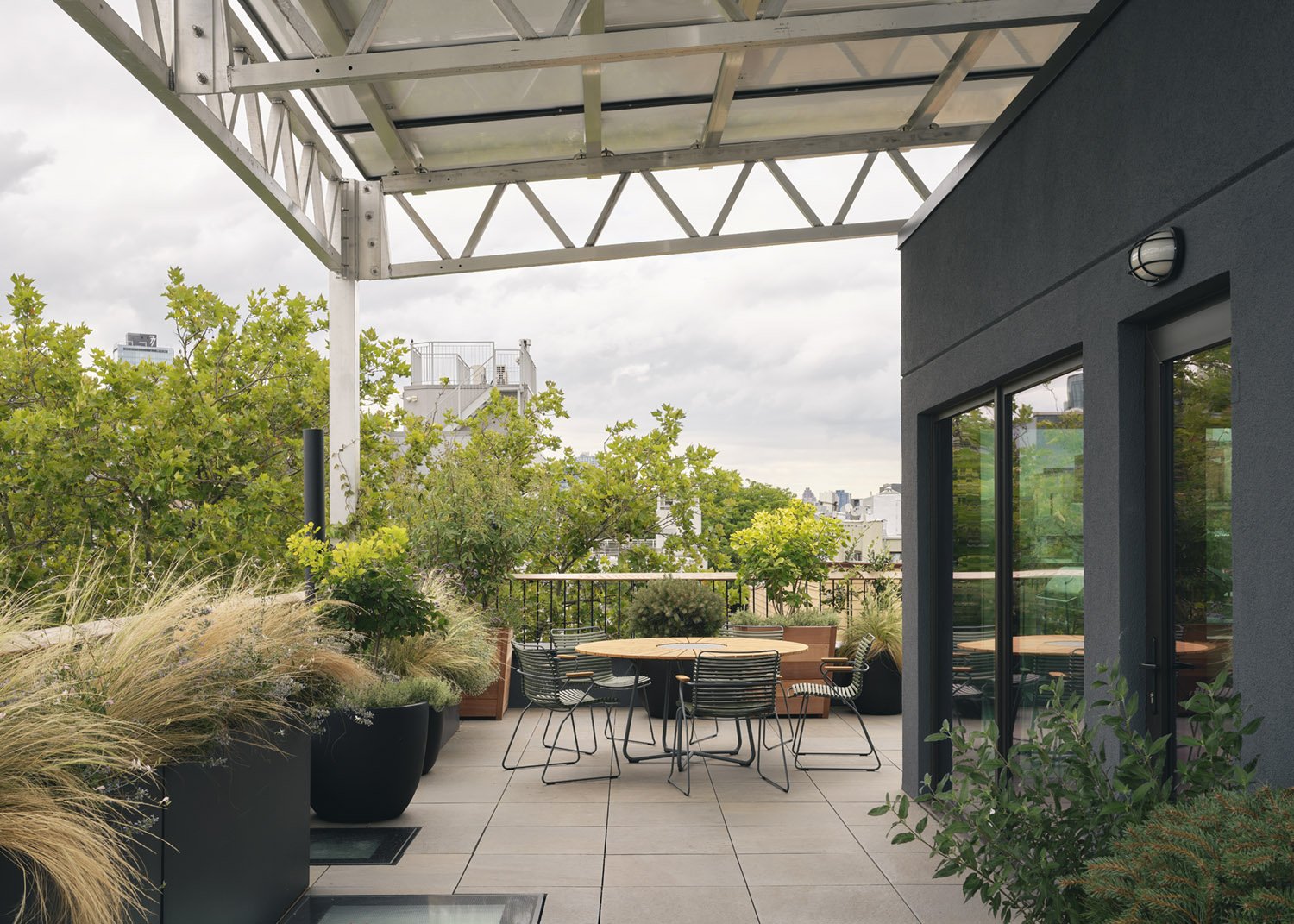
The approval path matters because it changes the whole project
Once a project moves from PMW or CNE territory into C of A territory, the consequences are not just paperwork. The process may involve:
- more design rounds
- presentation materials
- community board coordination
- longer owner decision windows
- later DOB progress
That is why scope strategy matters as much as aesthetics.
Official references worth bookmarking
- LPC Applications and Portico
- How to Apply Through Portico
- Permit for Minor Work
- Certificate of No Effect
- Certificate of Appropriateness
- DOB Permit Overview
Next step if you are still defining scope
If you are early in planning, the best first move is not to ask whether the project is "possible." It is to separate the low-friction scope from the hearing-risk scope and budget accordingly.
If you want help pressure-testing that scope before the project gets expensive, start with the Work With Me page.