Architecture by Elizabeth Roberts
Photography by Gieves Anderson
via: The New York Times, EyeSwoon
Cobble Hill, Brooklyn, NY
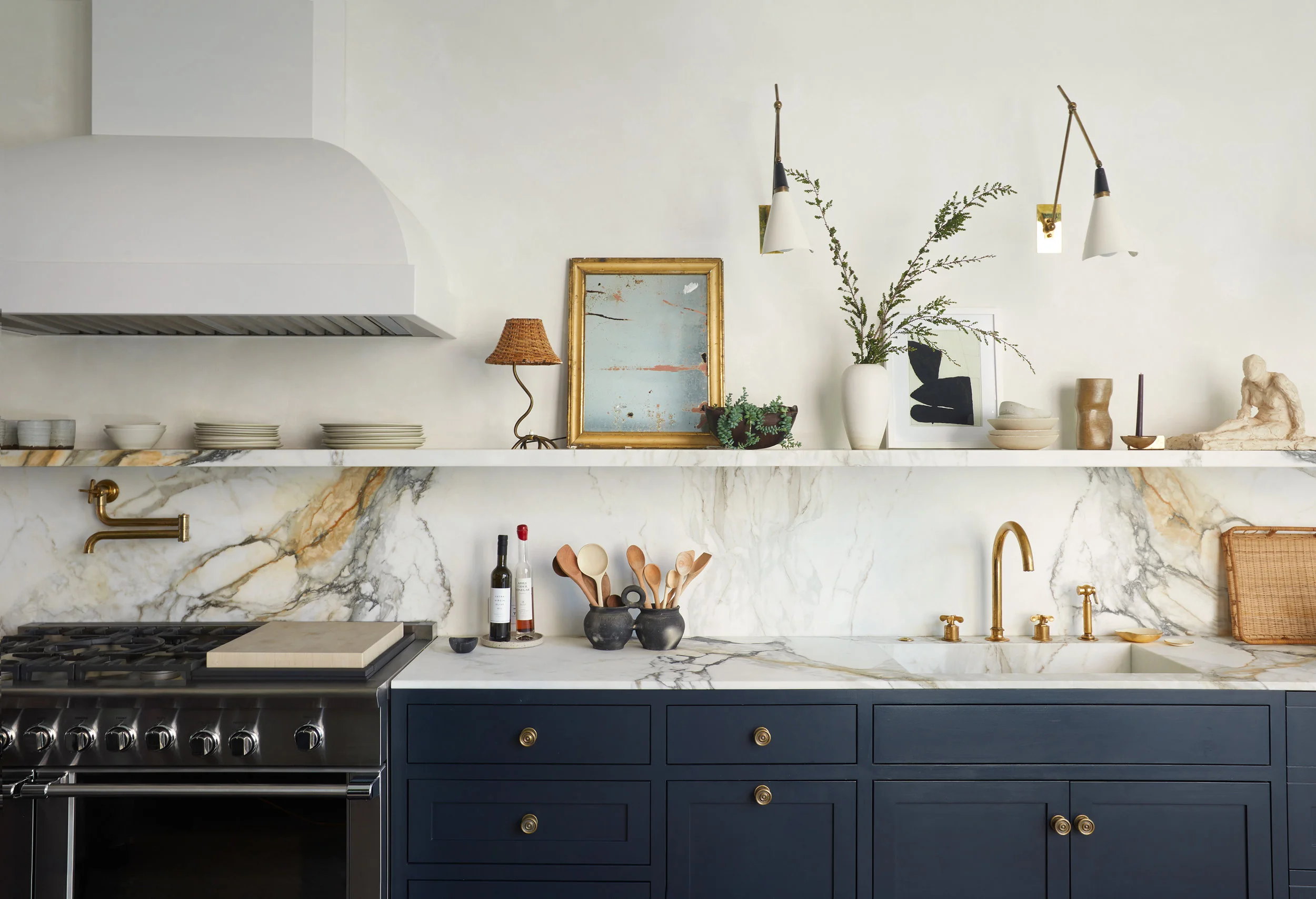
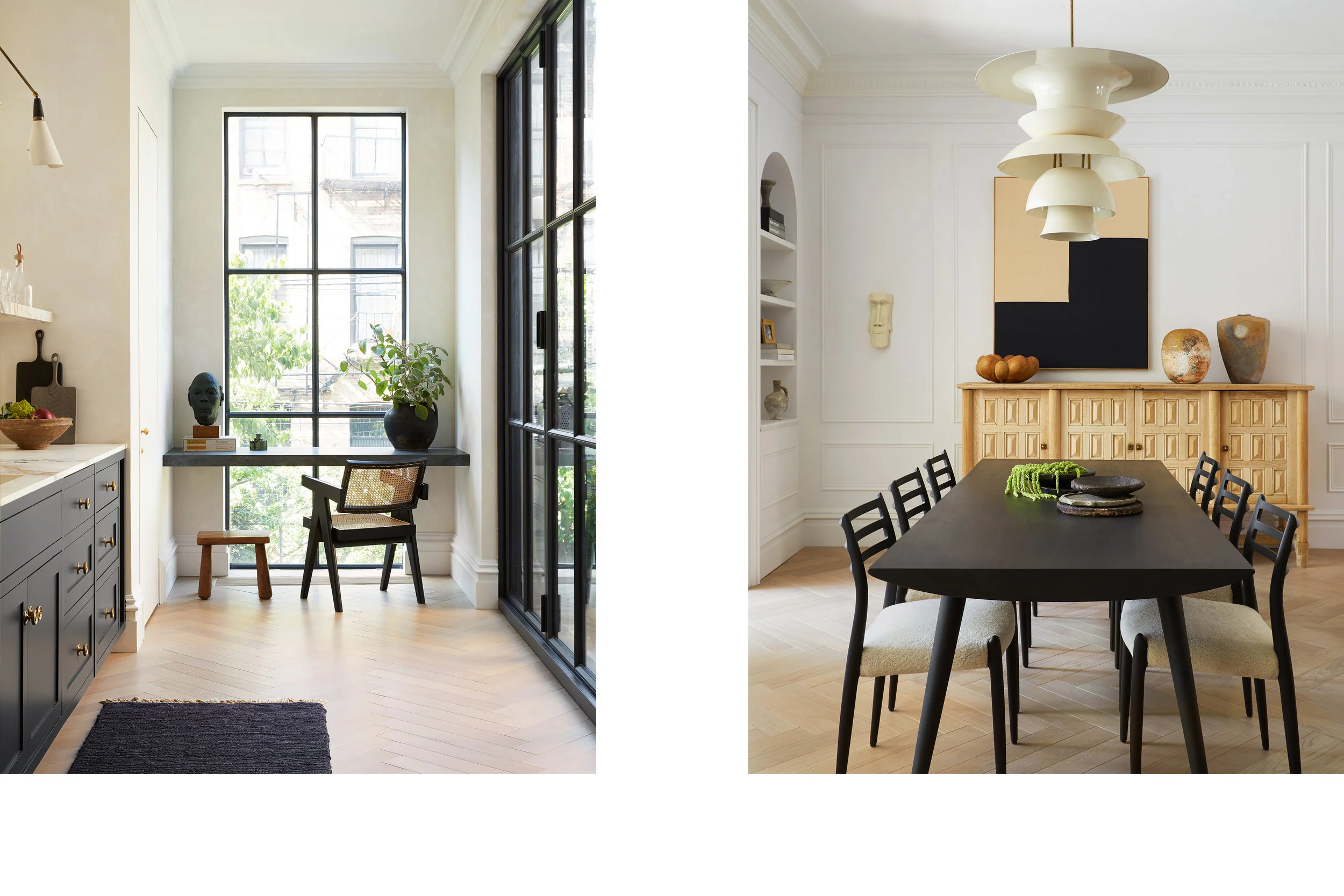
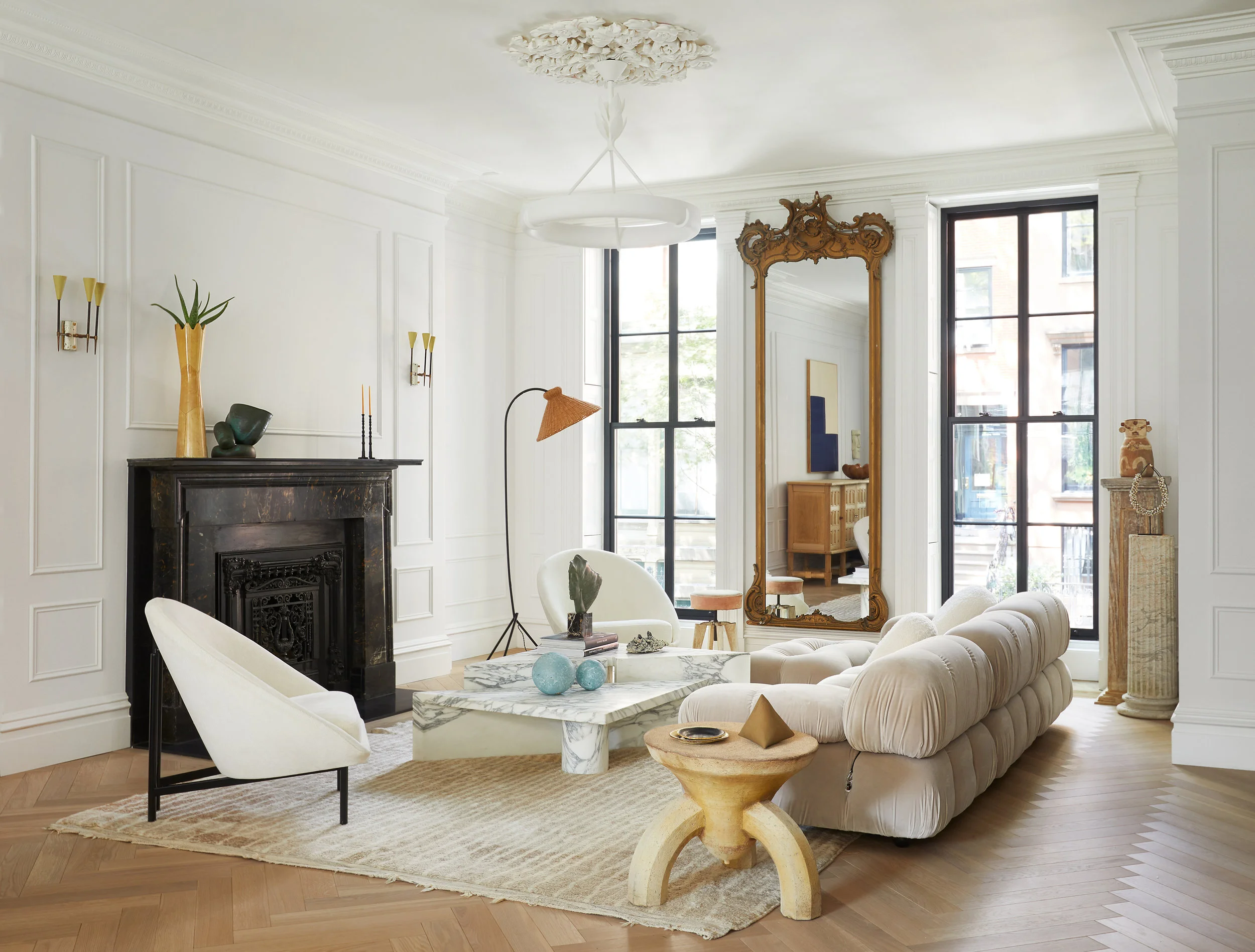
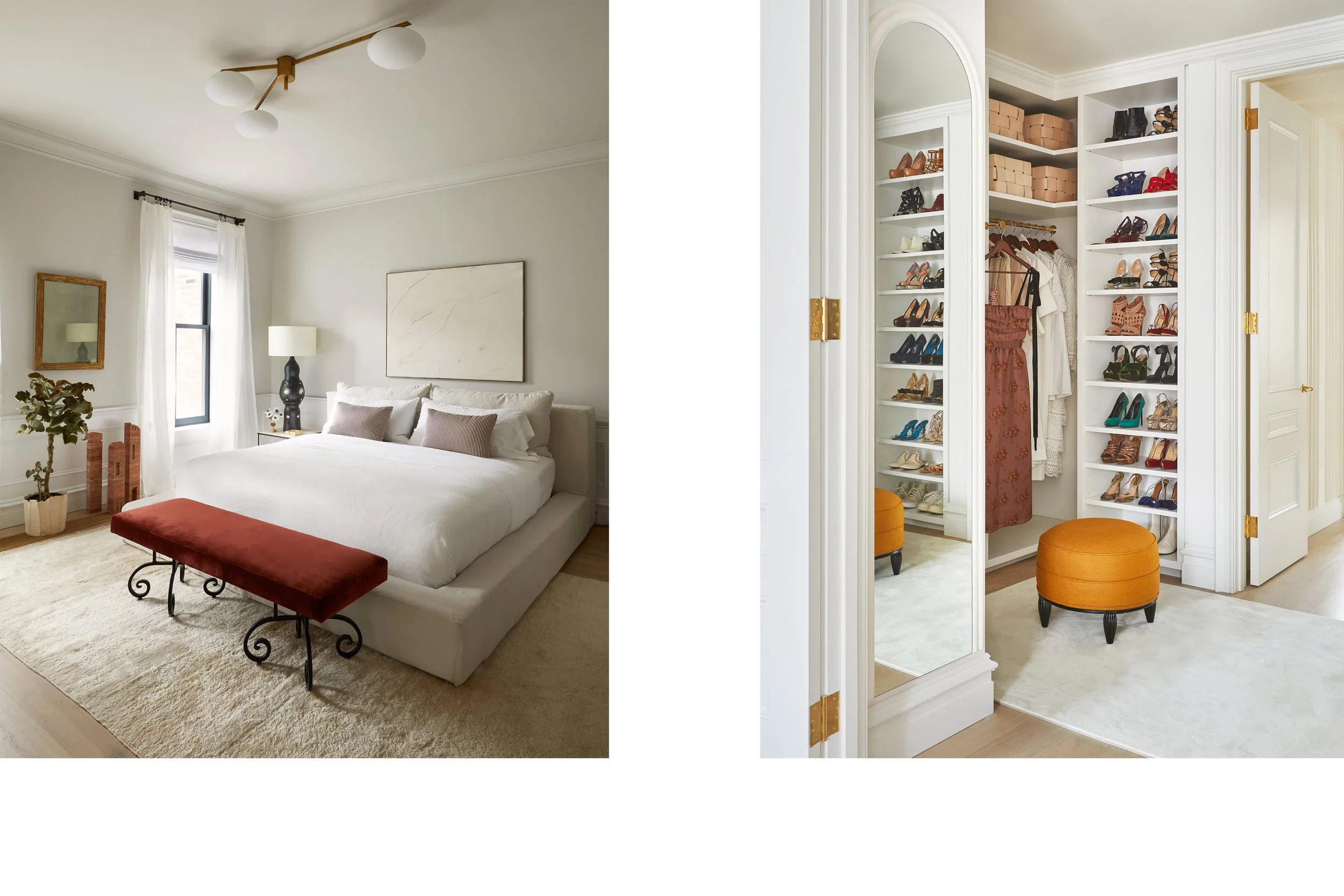
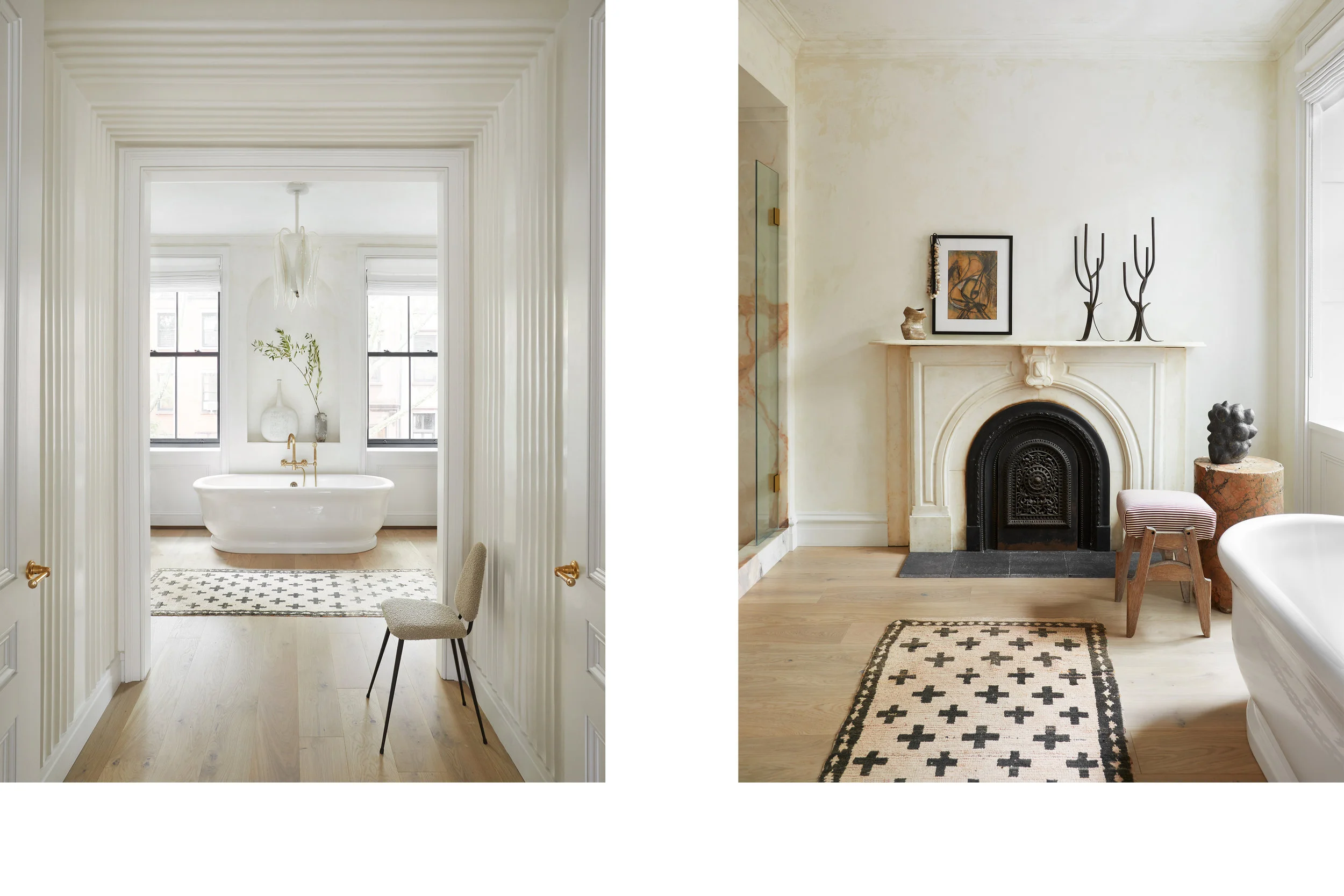
Elizabeth Roberts' Calderone Townhouse remains a useful reference for brownstone renovation because it avoids spectacle and focuses on proportion, circulation, and detail control. The project retains the building's historic cadence while quietly adjusting how rooms connect, especially through openings, trim thickness, and transitions between active family zones and quieter interior spaces.
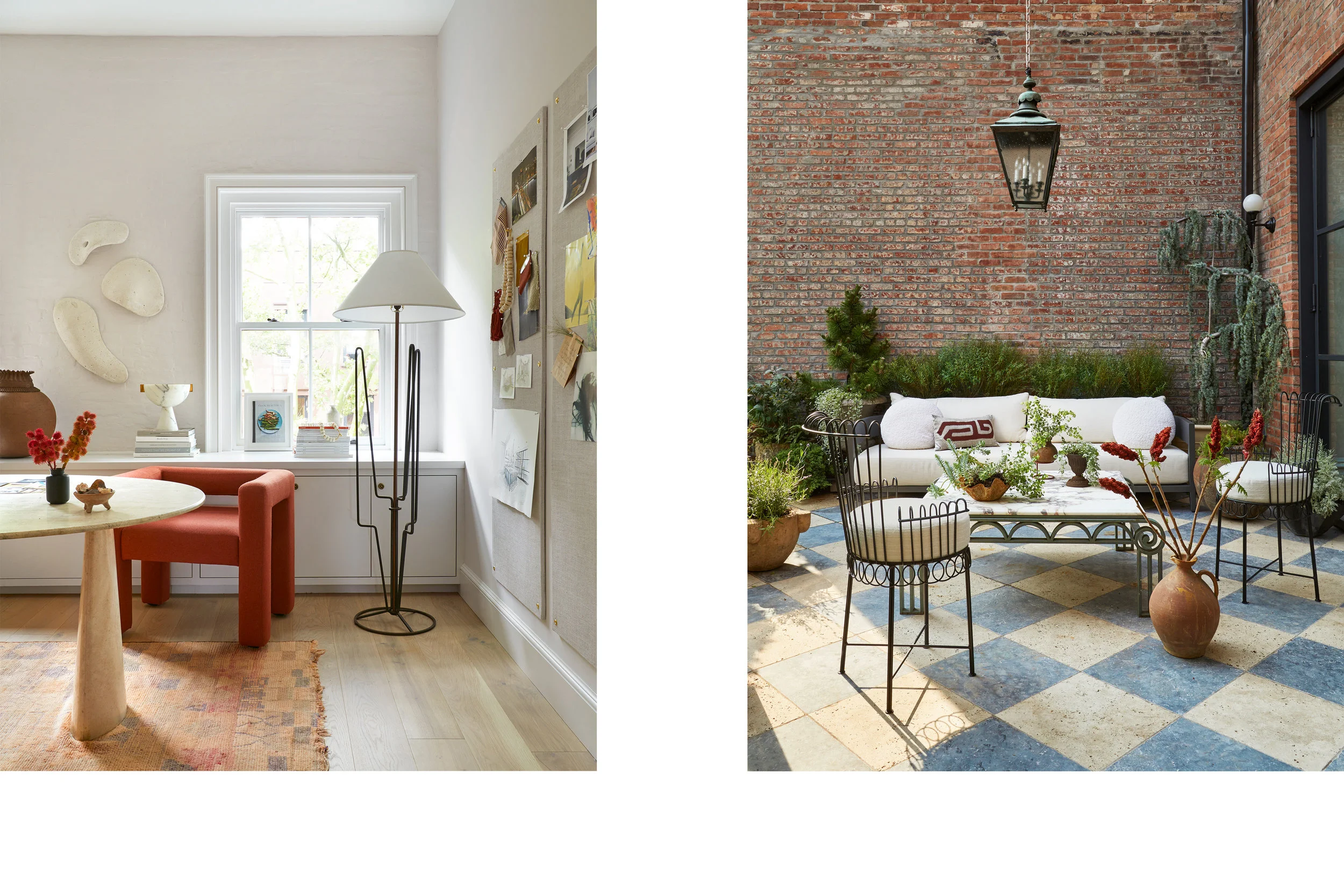
One of the most interesting decisions is programmatic: the central, windowless portion of the plan is treated as functional living area rather than residual hallway space. That move frees the perimeter rooms to hold more daylight-driven uses and keeps the sequence through the house legible. Instead of a stack of disconnected rooms, the layout reads as a linked set of atmospheres with clear shifts in privacy.
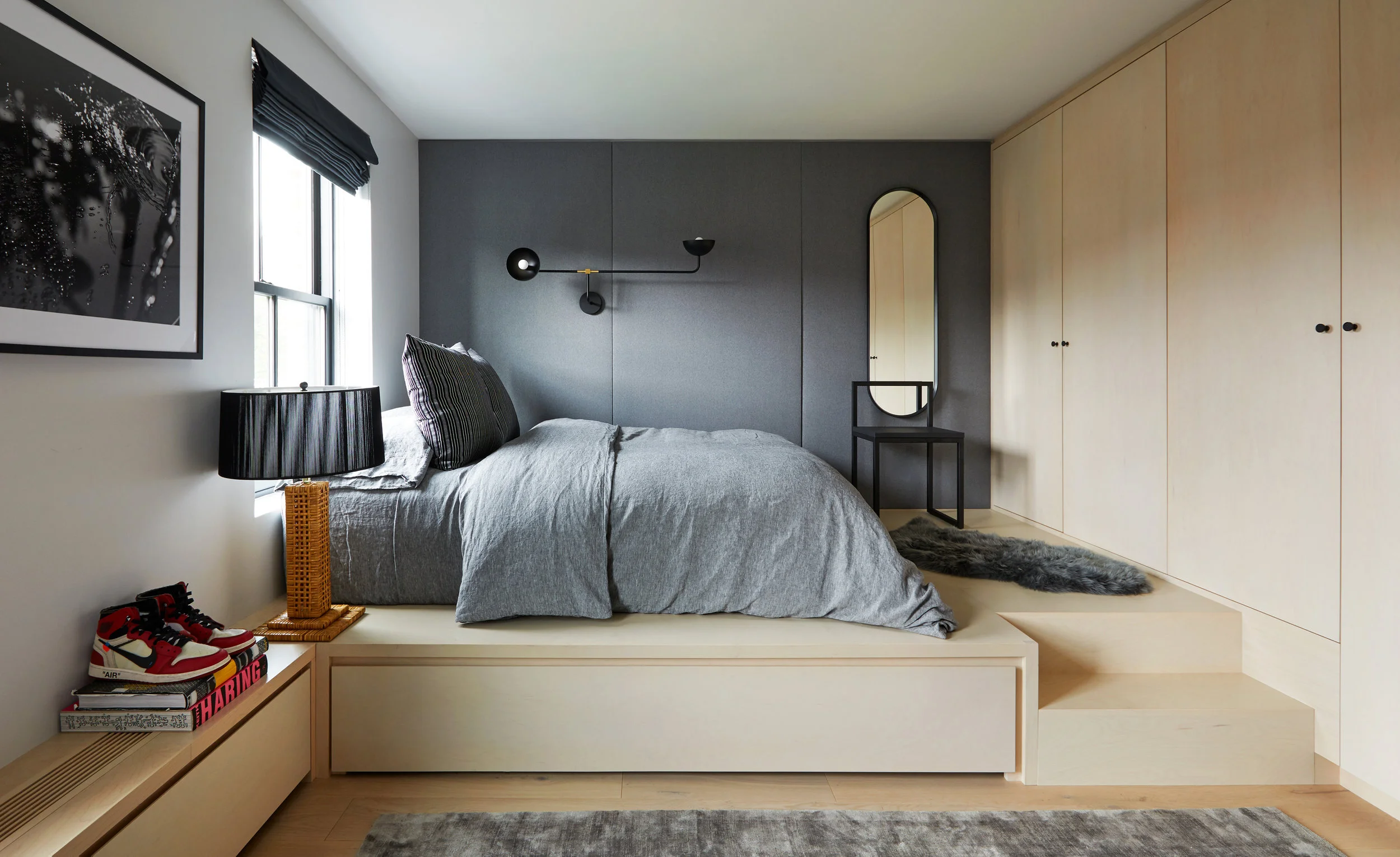
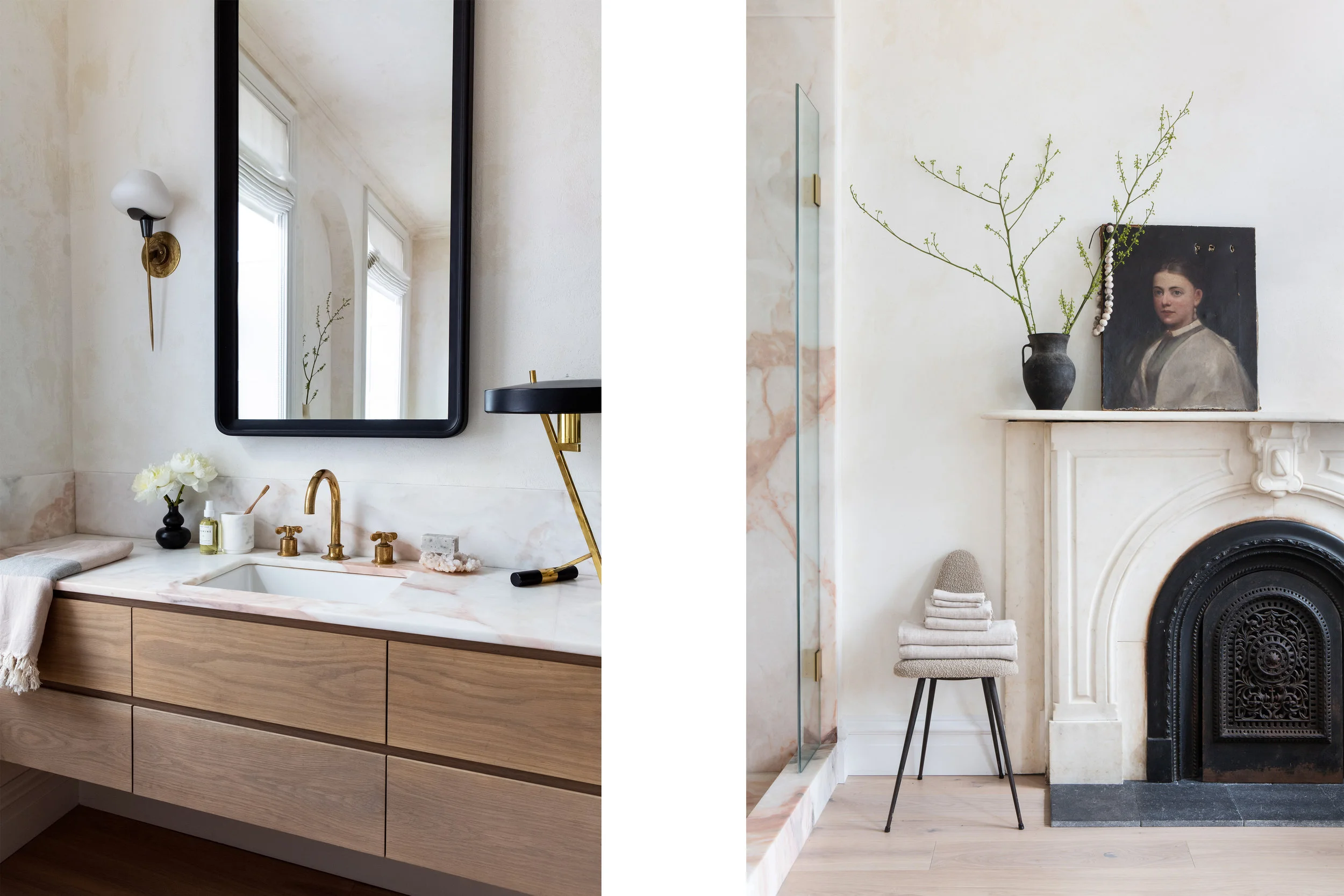
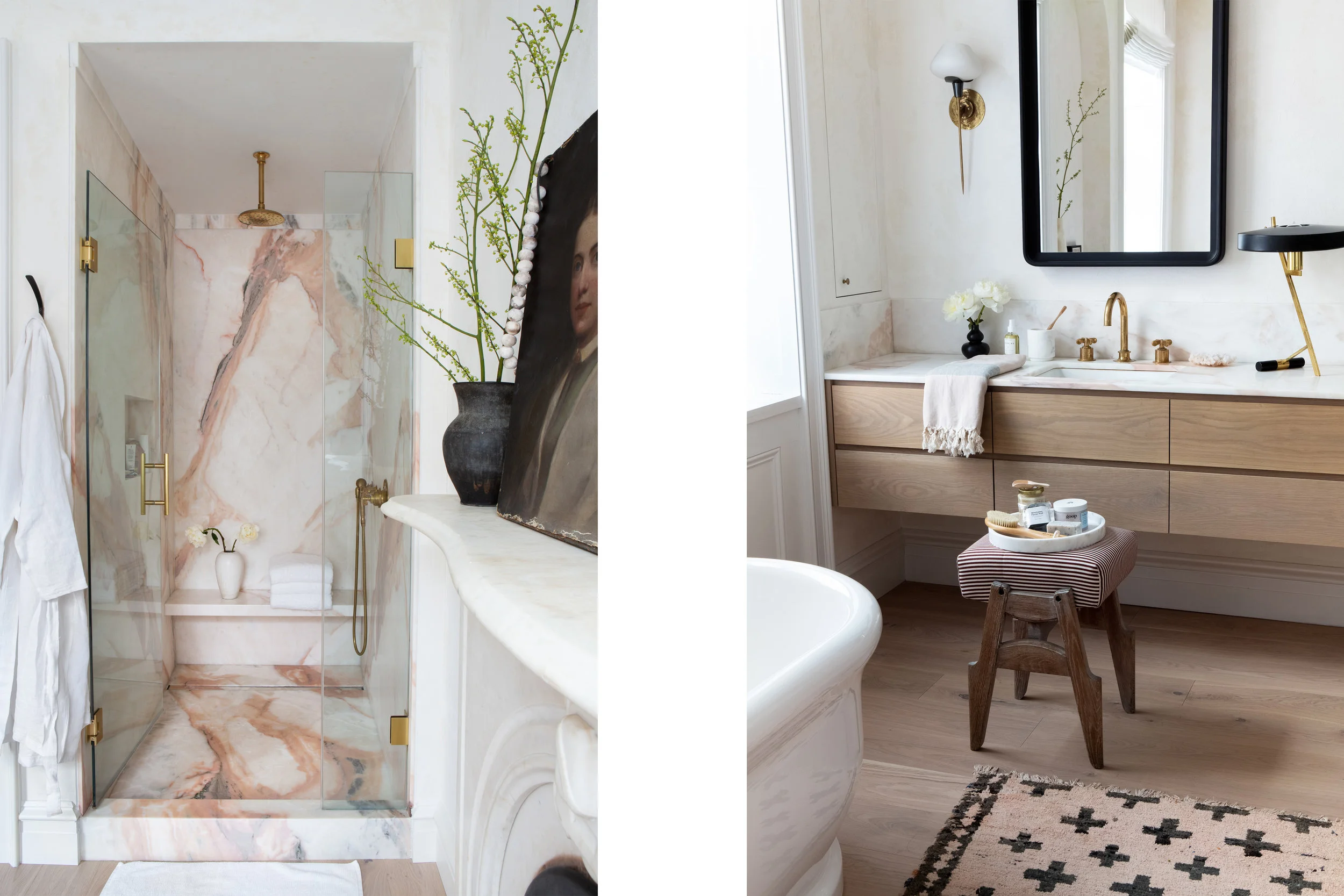
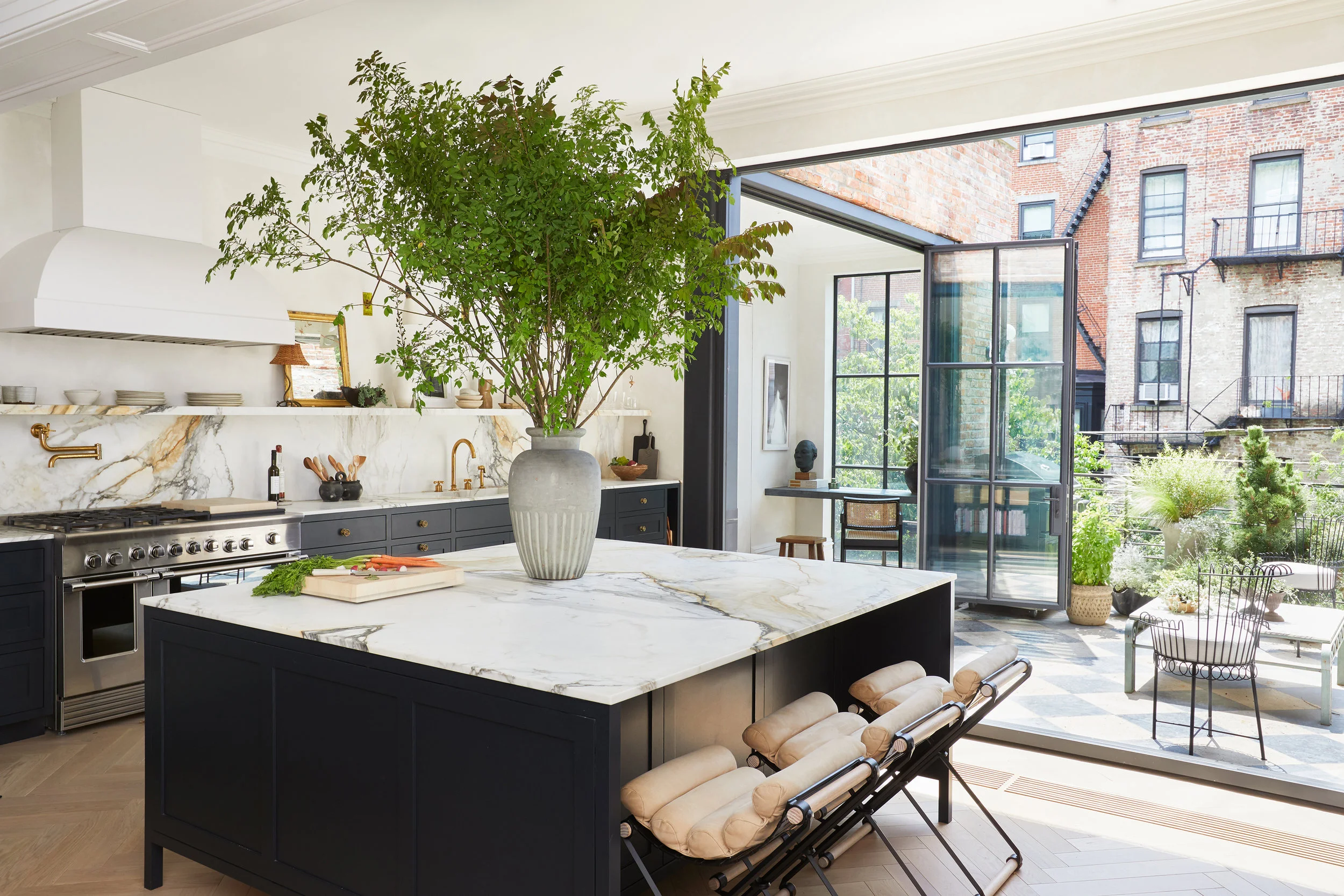
Material choices are deliberately restrained. Pale painted surfaces and light-toned joinery carry brightness, while wood furniture, dark accents, and selective stone notes provide depth at touch points. The result feels composed rather than sparse: cabinetry remains low where height needs to be emphasized, and hardware decisions stay consistent enough to support a unified interior language.
The project also explains why Roberts' work became so discussed in Brooklyn design circles. Beyond the high-profile clients and editorial attention, the architecture demonstrates repeatable craft decisions that age well: careful thresholds, calm wall planes, and rooms designed for everyday use rather than staged effect.
Tags: Elizabeth Roberts, Cobble Hill, Brooklyn